

Natural landscape representing holistic well-being

An Analytical Guide to Natural Lifestyle and Dietary Approaches

Explore evidence-based insights into holistic well-being and natural approaches to living

Educational content only. No promises of outcomes.

Understanding Holistic Well-being

Holistic well-being encompasses the interconnectedness of mind, body, and spirit through natural approaches. Rather than viewing health as the absence of disease, a holistic perspective recognizes that multiple dimensions of human experience—physical, mental, emotional, and spiritual—interact to create overall wellness.

This educational resource explains how various lifestyle practices, nutritional principles, and natural ingredients have been traditionally used and studied in the context of promoting general health and vitality. The goal is to provide balanced, informational content that helps you understand the principles underlying natural approaches to living well.

Throughout this guide, we present general information about nutrition, physical activity, mindfulness practices, and natural ingredients. All content is for informational purposes only and does not constitute medical advice. Always consult qualified healthcare professionals for personalized health guidance.

Abstract representation of balance and interconnectedness

The Pillars of Natural Nutrition

Fundamental Principles of Balanced Eating

A foundation for natural nutrition rests on understanding macronutrients and micronutrients, appreciating the diversity of whole foods, and practicing mindful eating. Here are key principles:

  • Whole Foods Over Processing: Emphasizes foods in their natural state, minimally processed, retaining their nutritional density and natural properties.
  • Nutrient Density: Focuses on consuming foods rich in vitamins, minerals, and phytonutrients relative to their caloric content.
  • Diverse Food Groups: Including fruits, vegetables, whole grains, legumes, nuts, seeds, and healthy fats promotes comprehensive nutritional intake.
  • Macronutrient Balance: Understanding the roles of proteins, carbohydrates, and fats in bodily functions supports informed dietary choices.
  • Mindful Eating: Approaching food with awareness, appreciating its source and nourishing properties, enhances the relationship with nutrition.
  • Hydration: Adequate water intake supports physiological processes essential for energy and overall vitality.


Movement for Vitality

Physical activity is not merely about intense exercise; it encompasses gentle, sustainable movement practices that enhance energy, flexibility, and mental clarity. Regular movement supports cardiovascular health, muscular strength, metabolic function, and emotional well-being.

Different forms of movement offer varied benefits. Walking in nature provides cardiovascular benefits and stress reduction. Yoga and stretching improve flexibility, balance, and body awareness. Gardening combines gentle physical activity with connection to nature. These practices are accessible, sustainable, and culturally valued across many societies.

The key principle is consistency and alignment with personal preferences. Finding movement practices you enjoy increases the likelihood of maintaining them as part of a sustainable lifestyle, contributing to long-term vitality and well-being.

Person practicing gentle yoga in nature

Mindfulness and Stress Reduction

🧘

Meditation Practices

Meditation involves focused attention and mental clarity, techniques that have been practiced for centuries across cultures. Regular meditation supports emotional balance and mental focus.

💨

Deep Breathing Techniques

Conscious breathing practices activate the body's relaxation response, supporting nervous system balance and stress reduction through simple, accessible techniques.

🌿

Nature Connection

Time spent in natural environments supports mental clarity, emotional regulation, and a sense of calm. Access to green spaces contributes to overall well-being.

Exploring Natural Ingredients

Natural ingredients, including herbs, spices, and plant-based materials, have been traditionally used and studied for their general wellness properties. Below is informational content about commonly referenced ingredients and their traditional uses.

Fresh turmeric root

Turmeric

A traditional spice known for its warm flavor and historical use in wellness practices across many cultures.

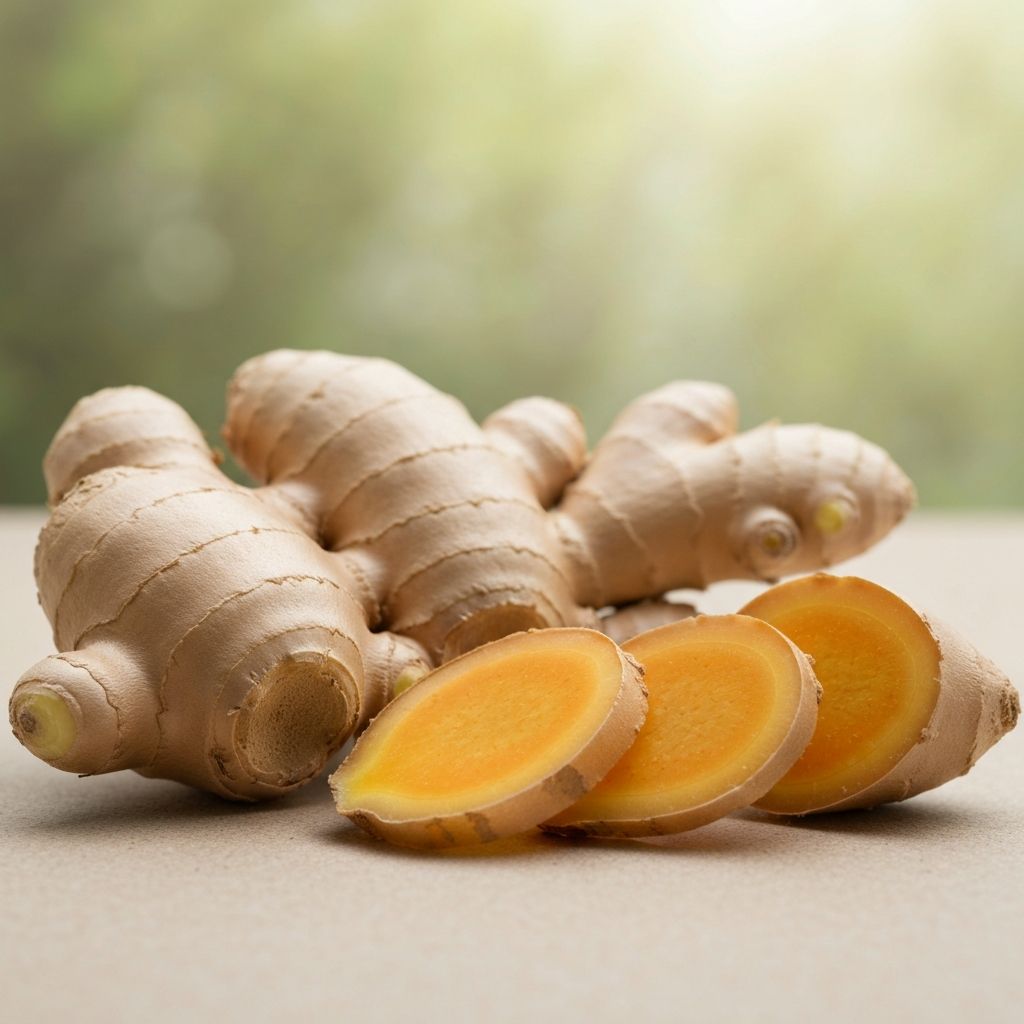
Fresh ginger root

Ginger

A root commonly used in culinary traditions and valued for its distinctive taste and traditional wellness applications.

Dried chamomile flowers

Chamomile

An herb traditionally used in tea preparations, appreciated for its gentle flavor and historical significance in wellness routines.

Hydration: A Foundation for Health

Water is fundamental to human physiology. It regulates temperature, transports nutrients, supports cognitive function, aids digestion, and maintains skin health. Adequate hydration is one of the most straightforward yet essential aspects of natural wellness.

General Hydration Guidelines: Most adults benefit from drinking adequate water throughout the day. Individual needs vary based on activity level, climate, and overall health status. Plain water remains the optimal choice for hydration.

Beyond Water: Herbal teas, coconut water, and water-rich fruits and vegetables contribute to overall hydration. These provide additional nutrients while supporting fluid intake.

Individual Variation: Factors such as exercise intensity, climate, and personal metabolism influence individual hydration needs. Listening to thirst cues and observing urine color are practical indicators of hydration status.

Glass of water with fresh lemon

The Science of Sleep

Quality sleep is essential for physical recovery, cognitive function, emotional regulation, and immune system health. Sleep science reveals the importance of consistent sleep-wake cycles and optimal sleep environments.

Sleep Cycles and Stages: Sleep consists of multiple cycles, each containing light, deep, and REM stages. Each stage serves specific restorative functions. A typical adult requires 7-9 hours nightly for optimal function.

Sleep Hygiene Tips: Maintaining consistent sleep and wake times, creating a dark and cool bedroom environment, limiting screen exposure before bed, and avoiding caffeine in the evening support natural sleep patterns.

Environmental Factors: Temperature, light exposure, noise levels, and bedroom comfort significantly influence sleep quality. Creating a sanctuary for sleep supports natural rest cycles.

Serene bedroom with moonlight

Seasonal Eating Guide

Season Common Produce General Benefits
Spring Asparagus, leafy greens, peas, berries Fresh, nutrient-dense foods supporting seasonal transition and renewal energy
Summer Tomatoes, cucumbers, berries, stone fruits Water-rich, hydrating foods suited to warmer temperatures and increased activity
Autumn Squashes, apples, root vegetables, grains Nutrient-dense foods supporting grounding and preparation for cooler months
Winter Root vegetables, citrus, leafy greens, stored grains Warming, sustaining foods supporting immunity and nourishment through colder season

Eating seasonally aligns dietary practices with natural cycles, often provides fresher produce, supports local agriculture, and encourages dietary variety throughout the year.

Sustainable Lifestyle Choices

Holistic well-being extends beyond personal health to environmental and ethical considerations. Sustainable lifestyle choices contribute to both individual and planetary health.

Reducing Waste: Minimizing single-use plastics, composting organic matter, and choosing reusable alternatives reduce environmental impact while promoting mindful consumption.

Supporting Local Agriculture: Purchasing from local farmers supports community economies, reduces transportation impacts, and often provides access to fresher, seasonally appropriate produce.

Conscious Food Choices: Understanding the sourcing and production methods of food—from plant-based options to sustainably raised animal products—aligns values with consumption.

Energy and Water Efficiency: Conscious use of resources supports environmental sustainability and often reduces household costs simultaneously.

Mindful Consumption: Distinguishing between needs and wants, choosing quality over quantity, and supporting ethical producers contributes to sustainable living practices.

Pathways to Personal Harmony

Personal well-being is not a destination but a continuous journey of awareness, experimentation, and self-compassion. The principles presented throughout this guide—balanced nutrition, gentle movement, mindfulness practices, understanding natural ingredients, quality sleep, and sustainable choices—form an integrated framework for holistic living.

Each individual's path is unique. What works optimally for one person may differ for another based on genetics, lifestyle, cultural context, and personal preferences. This guide provides informational content to help you understand these principles, but personal implementation should align with professional health guidance and individual circumstances.

Wellness is enhanced through curiosity, gradual experimentation, patience with yourself, and recognition that small, consistent choices accumulate into significant life changes. The goal is not perfection but progress—a sustainable, enjoyable approach to living in greater harmony with your body's needs, natural cycles, and values.

Limitations and Context

The information presented on this website is for general knowledge and educational purposes only. It is not intended to be a substitute for professional medical advice, diagnosis, or treatment. Always seek the advice of your physician or other qualified health provider with any questions you may have regarding a medical condition. Individual results and experiences may vary. The content does not endorse any specific products, therapies, or lifestyle interventions as definitive solutions for any health concern. We encourage users to consult with healthcare professionals to make informed decisions about their personal well-being.